
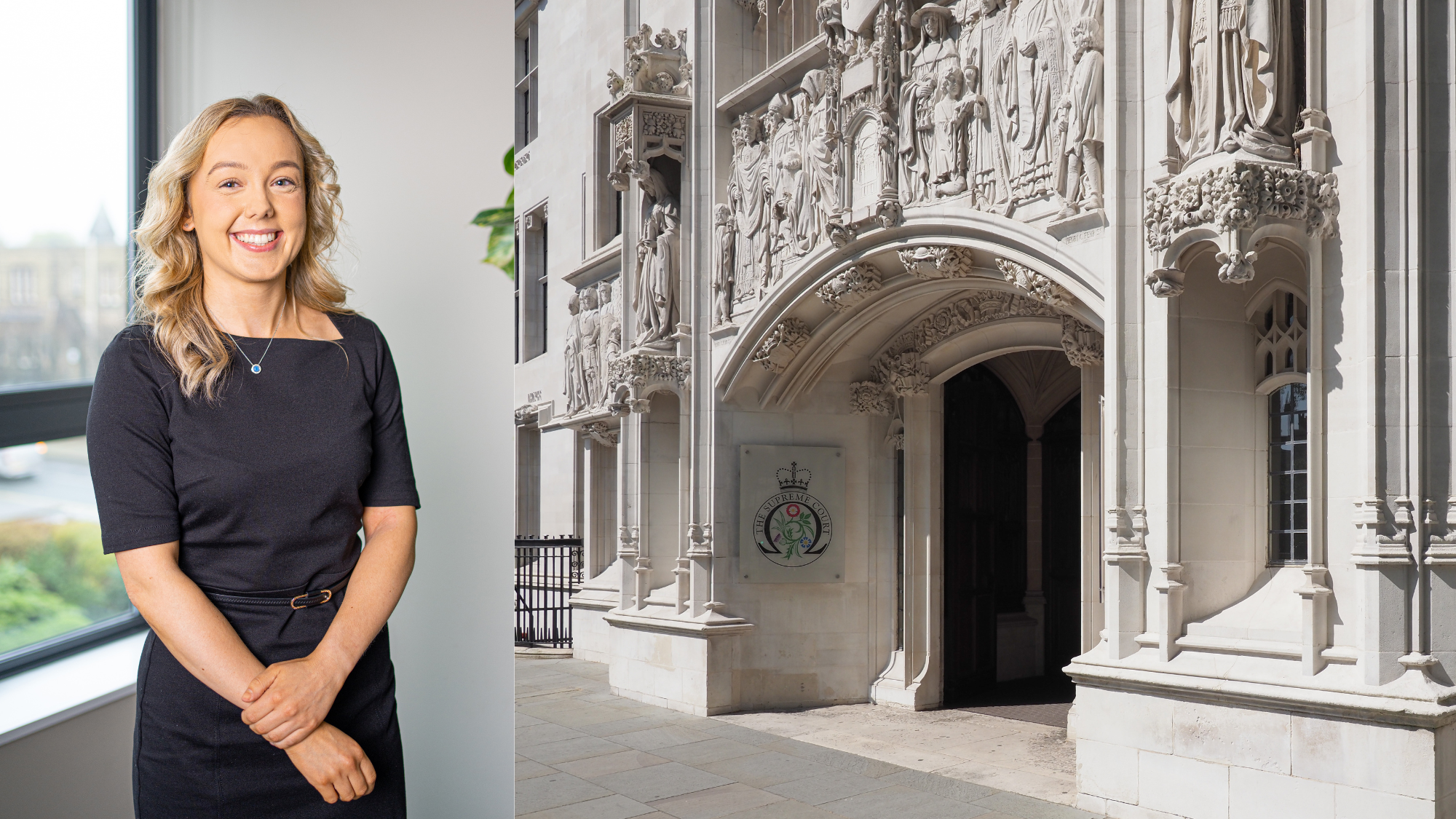
Recently, headlines emerged of “Britain’s longest divorce” in the case of Gohil v Gohil & Ors [2025] EWCH 3646. In total, it took the parties 23 years to reach a financial settlement due to the husband’s significant non-disclosure.
Why hiding assets during divorce can delay your financial settlement
As family law practitioners, we often deal with ex’s attempts to hide their assets. Whether this is in an offshore trust or in a cryptocurrency wallet, divorcing spouses continuously attempt to find new and creative ways to try to deprive their spouse of a fair financial settlement.
Unfortunately, as parties rely more on AI tools to draft “fair” settlements for separating couples, these issues continue to rise. Ex’s that are inherently misleading and deficient with their financial disclosure may try to have their undisclosed properties, pensions, businesses or income, slip the net. As seen in Gohil, non-disclosure from either party can mean the financial remedy proceedings are restored even after a sealed consent order, if the order lacks material full and frank financial disclosure.
The Gohil case explained: a 23-year divorce caused by non-disclosure
The case of Gohil is incredibly complex but this “whistle-stop tour” of their 23-year long proceedings may incentivise you to ensure your settlement is fair for both of you. In Gohil, the parties married in 1990 and later separated in April 2004. Baron J approved a consent order in 2002, providing a lump sum of £270,000 to the wife and periodical payments for her and their three children. It was, however, recorded in the recitals of the order that the wife maintained she did not believe the husband had provided his full and frank disclosure.
In 2007, the wife applied to set aside the order due to the husband’s material non-disclosure. This was founded upon her own suspicions but, in an unexpected turn, she also heard that the husband had been charged for criminality. On this basis, the husband’s solicitors applied for an order to adjourn proceedings. It later emerged that the husband (who was a practising solicitor) had been convicted of money laundering, forgery and subsequently sentenced to 10 years’ imprisonment in 2011. He was also made subject to confiscation proceedings under the Proceeds of Crime Act 2002. Needless to say, he was struck off the roll of solicitors.
The wife’s application to have the previous consent order set aside was granted. However, the husband appealed this decision to the Court of Appeal on technical grounds and he succeeded. Determined to reach a fair financial settlement for her and their children, the wife appealed to the Supreme Court and ultimately, she was unanimously successful and her financial remedy claims were restored.
It later emerged that the Crown Prosecution Service secured a c. £28m confiscation order against the husband and he was found to have benefited from his offending to the sum of c. £42m. The wife was, finally, awarded £6.83m (which was 69.5% of the matrimonial pot) 23 years after proceedings were initiated. Ultimately, the court were required to balance achieving fairness for the parties and deterring criminal proceeds. Therefore, the court awarded the wife with the identified, untainted assets.
Whilst the case of Gohil is exceptional, it shows how complicated and prolonged proceedings can be if parties are misleading or deficient with their financial disclosure.
How can I make my ex comply with the “full and frank disclosure” requirement?
You should seek independent legal advice as the strategy for each case will depend on the issues and complexities of your matter. If your ex will not comply with a voluntary request to provide their disclosure, you may need to consider asking the court for help.
How can Laura Martin help?
Laura Martin is a Family Solicitor at Harrogate Family Law, where she supports clients through all aspects of divorce, financial settlements and child arrangements. Laura understands that separating from a partner can be both emotionally and legally challenging, particularly where an ex-partner is unwilling to engage openly or comply with the legal process.
Whether you’re concerned about incomplete financial disclosure, navigating arrangements for your children or simply want clear, practical advice about your options, Laura works alongside the Harrogate Family Law team to help clients achieve fair, lasting outcomes with confidence.
If you would like to discuss your situation in confidence, contact Harrogate Family Law on 01423 594680 or email enquiries@harrogatefamilylaw.co.uk to arrange an initial call.